

Tile insets are one of the most effective ways to turn a standard tile installation into something truly custom. Whether you’re working on a bathroom, shower, kitchen, or floor, insets add personality, depth, and visual interest without overwhelming the space.
In this guide, we’ll explain what tile insets are, how to use them correctly, and where they make the biggest impact.
What Are Tile Insets?
Tile insets are decorative tiles or patterns placed within a field of standard tile. They can be:
- A different color
- A different material
- A different shape or texture
- A patterned or mosaic tile
Insets act as design accents, breaking up large areas of tile and creating focal points.
Why Tile Insets Work So Well
When used correctly, tile insets:
- Add custom, high-end detail
- Create focal points without clutter
- Define zones within a space
- Elevate simple tile layouts
They allow you to keep most of your tile neutral and affordable while adding interest in key areas.
Popular Places to Use Tile Insets
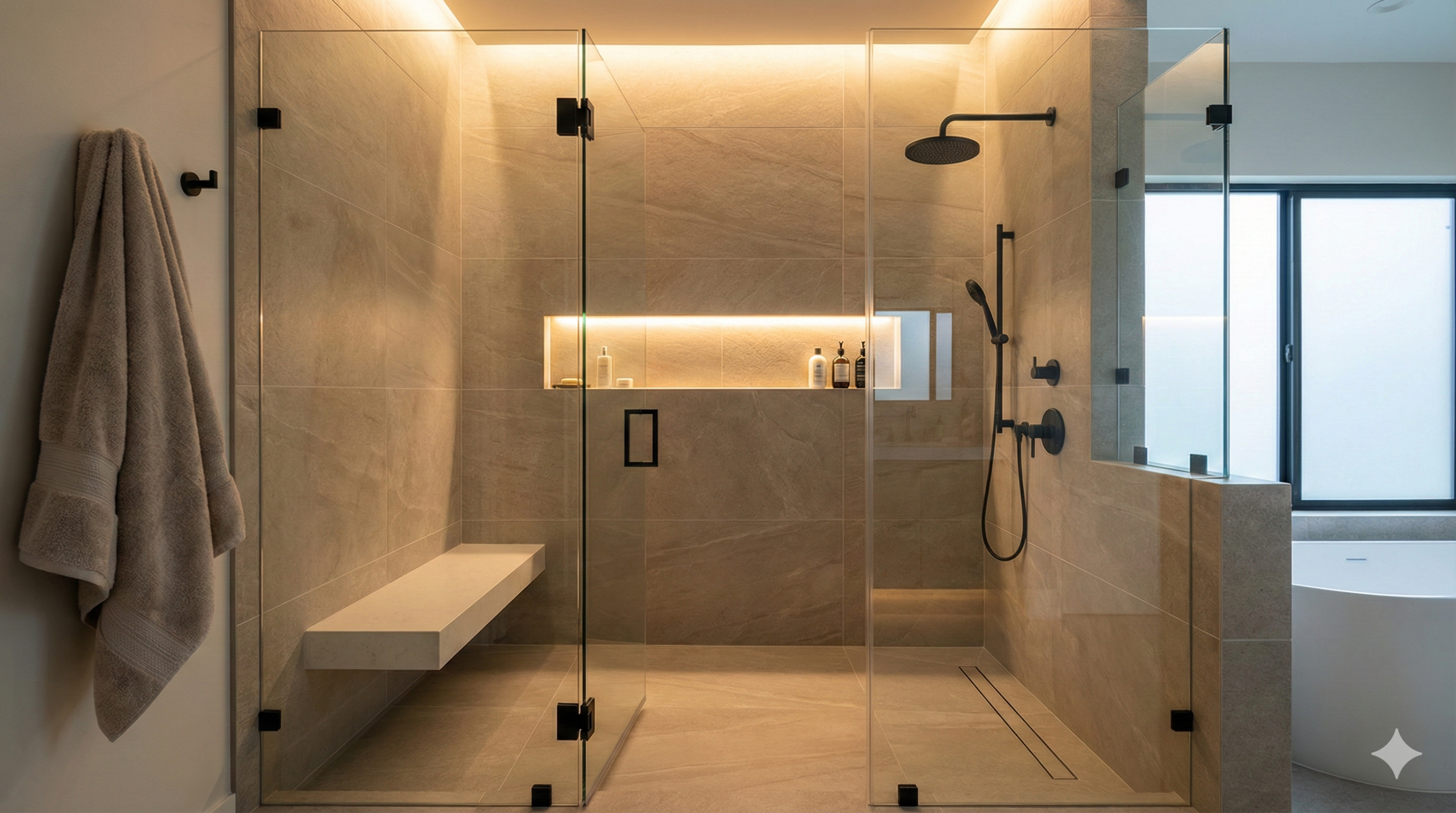
1. Shower Walls and Niches
Showers are one of the best places for tile insets.
Common inset ideas:
- Horizontal accent bands
- Vertical strips
- Mosaic or patterned niches
- Feature wall behind the showerhead
Insets in showers add depth and help visually break up large wall areas.
2. Bathroom Floors
Tile insets on floors work best when they’re subtle and intentional.
Popular options:
- Border insets around the perimeter
- Small decorative medallions
- Contrasting tile near vanities or tubs
Floor insets should be slip-resistant and well-planned to avoid a busy look.
3. Kitchen Backsplashes
Backsplashes are perfect for experimenting with insets.
Ideas include:
- Patterned tile behind the stove
- Decorative strip running the length of the backsplash
- Mosaic inset framed by subway tile
Insets help create a focal point while keeping the rest of the backsplash clean and cohesive.
4. Entryways and Feature Areas
Insets can define entryways or transitions between rooms.
Examples:
- Center medallion in an entryway
- Border inset separating tile from another flooring type
These designs create a strong first impression without overpowering the space.
How to Choose the Right Tile for Insets
Keep the Base Tile Simple
Insets work best when paired with a neutral base tile:
- White, gray, beige, or soft tones
- Large-format tiles
- Minimal patterns
This allows the inset to stand out naturally.
Add Contrast — But Not Too Much
Good contrast draws attention, but too much can feel chaotic.
Balanced contrast ideas:
- Matte base tile + glossy inset
- Neutral base + subtle color accent
- Large tile + small mosaic inset
The inset should feel intentional, not distracting.
Size and Placement Matter
Insets should be:
- Proportional to the space
- Centered or aligned with fixtures
- Planned before installation begins
Random placement is one of the most common design mistakes. A professional installer will plan the layout so the inset looks integrated, not added on.
Common Mistakes to Avoid
- Using too many insets in one space
- Choosing overly busy patterns
- Ignoring grout color
- Placing insets where they’re rarely seen
- Not planning layout in advance
Less is often more when it comes to inset design.
Grout and Finish Considerations
Grout can make or break an inset design.
Tips:
- Match grout to the base tile for subtlety
- Use contrast grout only if it supports the design
- Consider epoxy grout for mosaics
Finish consistency (matte vs glossy) also affects how insets stand out under lighting.
When to Use a Professional Installer
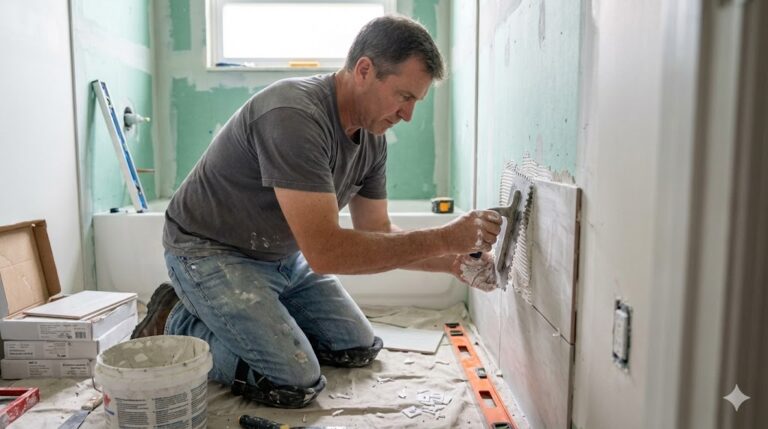
Tile insets require precision:
- Exact measurements
- Clean cuts
- Perfect alignment
- Symmetrical placement
Poorly installed insets stand out for the wrong reasons. Professional installation ensures your custom design looks polished and intentional.
Final Thoughts
Tile insets are a powerful design tool when used thoughtfully. They allow you to personalize your space, highlight focal areas, and achieve a custom look without a full custom budget.
Whether it’s a shower niche, backsplash accent, or decorative floor detail, well-planned tile insets add character and elevate the entire installation.
If you’re planning a tile project, consider insets early in the design process — that’s when they work best.Tile insets are one of the most effective ways to turn a standard tile installation into something truly custom. Whether you’re working on a bathroom, shower, kitchen, or floor, insets add personality, depth, and visual interest without overwhelming the space.
In this guide, we’ll explain what tile insets are, how to use them correctly, and where they make the biggest impact.
What Are Tile Insets?
Tile insets are decorative tiles or patterns placed within a field of standard tile. They can be:
- A different color
- A different material
- A different shape or texture
- A patterned or mosaic tile
Insets act as design accents, breaking up large areas of tile and creating focal points.
Why Tile Insets Work So Well
When used correctly, tile insets:
- Add custom, high-end detail
- Create focal points without clutter
- Define zones within a space
- Elevate simple tile layouts
They allow you to keep most of your tile neutral and affordable while adding interest in key areas.
Popular Places to Use Tile Insets
1. Shower Walls and Niches
Showers are one of the best places for tile insets.
Common inset ideas:
- Horizontal accent bands
- Vertical strips
- Mosaic or patterned niches
- Feature wall behind the showerhead
Insets in showers add depth and help visually break up large wall areas.
2. Bathroom Floors
Tile insets on floors work best when they’re subtle and intentional.
Popular options:
- Border insets around the perimeter
- Small decorative medallions
- Contrasting tile near vanities or tubs
Floor insets should be slip-resistant and well-planned to avoid a busy look.
3. Kitchen Backsplashes
Backsplashes are perfect for experimenting with insets.
Ideas include:
- Patterned tile behind the stove
- Decorative strip running the length of the backsplash
- Mosaic inset framed by subway tile
Insets help create a focal point while keeping the rest of the backsplash clean and cohesive.
4. Entryways and Feature Areas
Insets can define entryways or transitions between rooms.
Examples:
- Center medallion in an entryway
- Border inset separating tile from another flooring type
These designs create a strong first impression without overpowering the space.
How to Choose the Right Tile for Insets
Keep the Base Tile Simple
Insets work best when paired with a neutral base tile:
- White, gray, beige, or soft tones
- Large-format tiles
- Minimal patterns
This allows the inset to stand out naturally.
Add Contrast — But Not Too Much
Good contrast draws attention, but too much can feel chaotic.
Balanced contrast ideas:
- Matte base tile + glossy inset
- Neutral base + subtle color accent
- Large tile + small mosaic inset
The inset should feel intentional, not distracting.
Size and Placement Matter
Insets should be:
- Proportional to the space
- Centered or aligned with fixtures
- Planned before installation begins
Random placement is one of the most common design mistakes. A professional installer will plan the layout so the inset looks integrated, not added on.
Common Mistakes to Avoid
- Using too many insets in one space
- Choosing overly busy patterns
- Ignoring grout color
- Placing insets where they’re rarely seen
- Not planning layout in advance
Less is often more when it comes to inset design.
Grout and Finish Considerations
Grout can make or break an inset design.
Tips:
- Match grout to the base tile for subtlety
- Use contrast grout only if it supports the design
- Consider epoxy grout for mosaics
Finish consistency (matte vs glossy) also affects how insets stand out under lighting.
When to Use a Professional Installer
Tile insets require precision:
- Exact measurements
- Clean cuts
- Perfect alignment
- Symmetrical placement
Poorly installed insets stand out for the wrong reasons. Professional installation ensures your custom design looks polished and intentional.
Final Thoughts
Tile insets are a powerful design tool when used thoughtfully. They allow you to personalize your space, highlight focal areas, and achieve a custom look without a full custom budget.
Whether it’s a shower niche, backsplash accent, or decorative floor detail, well-planned tile insets add character and elevate the entire installation.
If you’re planning a tile project, consider insets early in the design process — that’s when they work best.