
Tile vs LVP (Luxury Vinyl Plank): Which Flooring Should You Choose?

Choosing new flooring for your home can be overwhelming — especially when both tile and luxury vinyl plank (LVP) are excellent options. Each has its advantages, ideal applications, costs, and considerations.
In this article, we’ll compare tile and LVP in real-world terms so you can confidently choose the right flooring for your space.
What Are Tile and LVP?
Tile Flooring
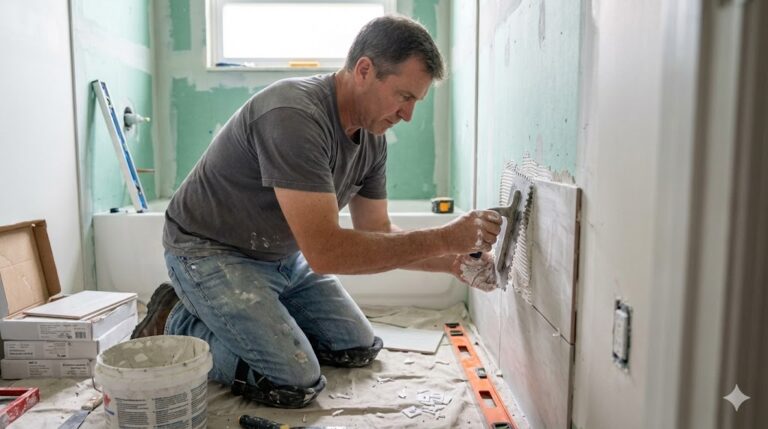
Tile — usually porcelain, ceramic, or natural stone — is a hard surface flooring material installed with thinset and grout.
Tile is known for:
- Durability
- Water resistance
- Classic look
- Longevity
Luxury Vinyl Plank (LVP)
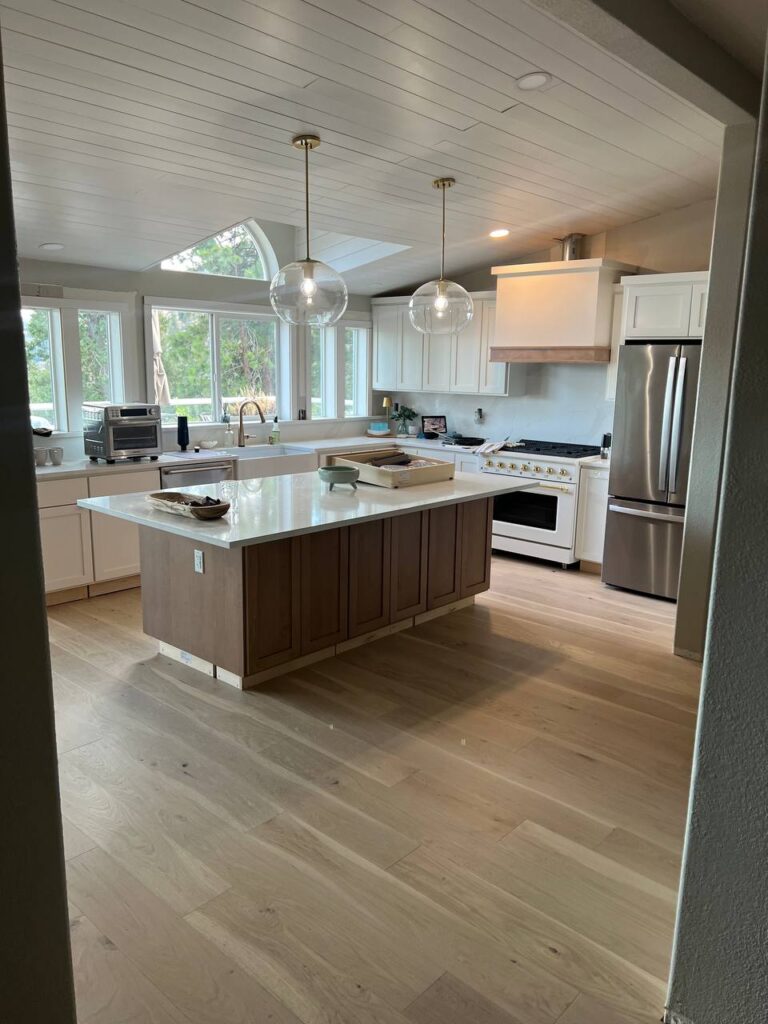
LVP is a synthetic plank flooring designed to mimic the look of wood or stone. It’s made from multiple layers of vinyl and installed as a “floating floor.”
LVP is known for:
- Comfort underfoot
- Easy installation
- Affordability
- Water resistance
1. Durability & Longevity
Tile
- Extremely durable and damage-resistant
- Ideal for high-traffic areas
- Lasts 20–50+ years with proper care
- Extremely water resistant (especially porcelain)
LVP
- Durable for everyday living
- Can dent or scratch with heavy impact
- Typically lasts 10–20+ years
- Water-resistant but seams can allow water in over time
👉 Winner: Tile — for long-term durability and high-moisture areas.
2. Comfort & Warmth
Tile
- Hard, cold surface underfoot
- Often needs radiant heat or area rugs
LVP
- Softer and warmer than tile
- More forgiving if you drop things
- Comfortable for long standing
👉 Winner: LVP — especially for living rooms and bedrooms.
3. Water Resistance
Both options are generally water resistant:
Tile
- Excellent water resistance
- Best choice for bathrooms, showers, and wet areas
- Needs proper waterproofing and grout sealing
LVP
- Highly water resistant
- Great for kitchens, laundry rooms
- Not fully waterproof at seams if subfloor is uneven
👉 Winner: Tile edges it slightly due to water & moisture tolerance over time.
4. Look & Design Options
Tile
- Classic, elegant, and timeless
- Huge variety of colors, shapes, and sizes
- Mimics stone, concrete, and even wood
LVP
- Realistic wood and stone visuals
- Wide range of styles and textures
- Great “wood look without wood maintenance”
👉 Tie: Depends on your style preference.
5. Installation
Tile
- Professional installation recommended
- Labor-intensive prep and layout
- Takes longer to install
LVP
- Easier and quicker install
- Many homeowners install DIY
- Floating installation means less prep
👉 Winner: LVP — easier and often cheaper to install.
6. Maintenance
Tile
- Easy to clean
- Grout may need periodic sealing
- Generally low maintenance
LVP
- Very low maintenance
- No grout to seal
- Easy sweeping and mopping
👉 Winner: LVP for maintenance convenience.
7. Cost Comparison
| Flooring Type | Material Cost | Installation Cost |
|---|---|---|
| Tile | Moderate to high | High (professional recommended) |
| LVP | Low to moderate | Low to moderate |
Tile — higher upfront material and labor costs.
LVP — more budget-friendly, especially for large spaces.
👉 Winner: LVP — for overall affordability.
Best Use Cases
Best for Tile Flooring
✔ Bathrooms & showers
✔ Entryways & high humidity areas
✔ Long-term investment flooring
✔ Homes with radiant heat
Best for LVP
✔ Living rooms and bedrooms
✔ Budget projects
✔ DIY installations
✔ Renters or shorter-term homes
Example Scenarios
Scenario 1: Bathroom Remodel
Tile wins — water, durability, timeless style.
Scenario 2: Family Room Flooring
LVP wins — comfort, warmth, easy install.
Scenario 3: Kitchen Renovation
Tile preferred if moisture and spills are frequent.
Final Verdict
Both tile and LVP are excellent flooring options — but the best choice depends on your goals.
- Choose Tile if you want durability, moisture resistance, and a long-lasting investment.
- Choose LVP if you want warmth, comfort, ease of installation, and cost savings.
No matter which you choose, selecting a quality product and proper installation will ensure your new floors look great and perform well for years.